
6 Good Bookkeeping Software For Small Businesses to Save Your Time
Do you know that accountants and bookkeepers are doubling down on their investment in technology and planning to increase spending by 50%? This data shows how bookkeeping professionals use technology to streamline accounting processes, enhance client services, and stay ahead of the curve.
Bookkeeping software is a digital tool that helps you record your daily transactions orderly with a touch of your finger. You can see and manage your sales, send invoices, and monitor finances from anywhere and anytime by using a single dashboard.
You will know about the details of 6 good bookkeeping software from this TAJ Accountants blog. Let’s start reading-
What is A Good Bookkeeping Software?
A good bookkeeping software is a cloud-based digital tool that can handle a wide variety of tasks accurately and quickly.
You can create invoices, send bills, receive payments, and operate sales instantly by using a single interface.
It reduces human errors, saves time, and ensures accuracy. So you can handle more clients and focus more on your business growth.
Bookkeeping software allows small business owners to handle tasks and functions such as:
- Payable accounts
- Receivable payments
- Categorizing transactions
- Cash flow management
- General ledger
- Preparing key financial statements
- Purchase orders and stock/inventory
- Reconciling bank accounts.
How Do You Choose A Good Bookkeeping Software for Your Business?
Try to choose a software that matches your business’s size, types, UK business compliance, and solves your business needs. You should consider the following features, including:
- Make sure you can manage your job costing and project-based billable costs. Also, you can see information in real-time reports.
- Ensure your cloud-based tool includes a mobile app so you can handle sales and monitor your finances from anywhere.
- Check that your software can send customised invoices and support credit card processing.
- The software reconciles with bank feeds & bank rules to avoid errors and repetitive entry.
- For your small business, the software is crafted with features automation, recurring billing options, and full payroll processes.
- A good software is UK HMRC-approved, which means you can submit self-assessment tax files, VAT returns, and MTD directly to HMRC.
- The electronic dashboard supports such features as getting paid on invoices, paying vendors, and e-filing 1099s at a low cost.
- All built-in features are secure, accurate, and easy to use.
6 Good Bookkeeping Software at a Glance
- QuickBooks: The most complete solution for all types of accounting, reporting and tax management for small and medium businesses
- Xero: Ideal for multi-user collaboration, automation and cloud-based bookkeeping workflows.
- FreeAgent: Ideal for UK freelancers, contractors and small businesses to easily manage their taxes and daily accounting.
- Wave: A reliable free solution for basic accounting management for small businesses and startups.
- Zoho Books: A powerful option for low-cost automation, invoicing and organised bookkeeping.
Sage: A scalable, stable and professional accounting system for growing businesses.
Comparison Table: Good Bookkeeping Software for Small Businesses
Different software have different features, prices, and plans. But all of them ensure compliance and business efficiency.
Explore the UK’s 6 good bookkeeping software overview
Software | Best For | Price Range | Free Plan | Key Strength |
QuickBooks | Overall | Start £16-£123/month | 30-day trial only | All-in-one accounting |
Xero | Multiple Users | 30-day trial | Automation & unlimited users | |
FreeAgent | Freelancers & Contractors | Start £9/month, -£84/year | 30-day trial available | UK tax automation & simple bookkeeping |
Wave | Solo Traders | £7 per month | Free plan | Basic bookkeeping |
Zoho Books | Zoho Users | £19-45 per month | Free plan, 14-day trial | Automation & low cost |
Sage | Growing Business | £1.80-£5.90/month | Scalability |
Stay Updated
Get expert accounting advice tailored to your business needs
6 Good Bookkeeping Software Overview
A good bookkeeping software helps solo traders manage and record all financial data organised and correct. It helps you create reports, keep records, and balance the books. Different bookkeeping software is available in the market with similar features and technologies. So, it is difficult to select a good one.

QuickBooks Online is the best overall bookkeeping software for small businesses. It influences the UK market through its strong financial mechanisms, integrations, and scalability. It is popular for its versatility and the finances of companies of all sizes.
Key Features
- Create customised Invoices
- Track your inventory in real-time
- Get Payment reminders
- Financial reporting & analytics
- Prepare taxes with tools while staying compliant
Pros | Cons |
|
|
|
|
|

Xero is well known for its all-in-one cloud-based interface. It has an excellent online payment method and collection tool. Also, it supports double-entry bookkeeping.
Key Features
- Transfer bank data easily
- Track and pay bills on time
- Provides a transparent overview of accounts payable
- Monitor cash inflow and outflow with accuracy
- Get accurate payroll expenses.
Pros | Cons |
|
|
|
|
|
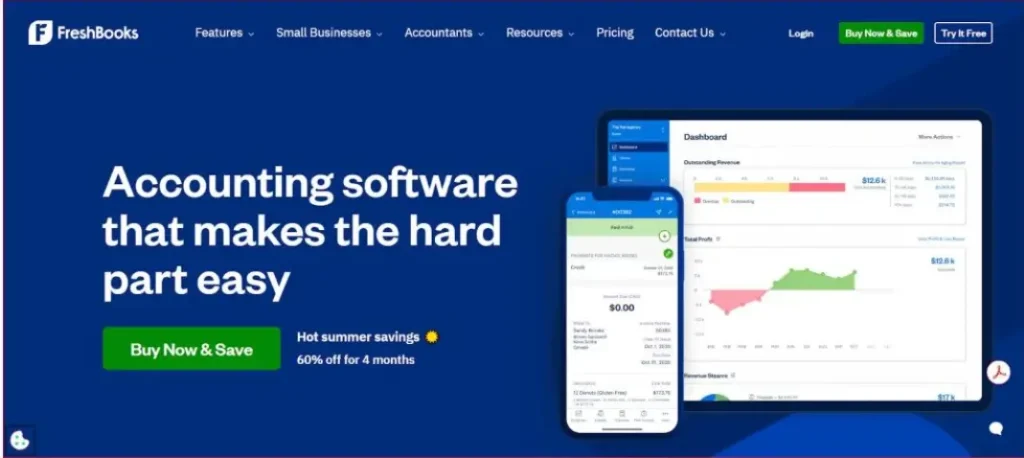
FreeAgent is the best tax-friendly software for self-employed professionals who need an accurate submission of Self Assessment and VAT returns. It integrates everything from sending unlimited invoices to managing projects, sales, and taxes.
Key Features
- Get paid faster with online invoice payments.
- Track precise finance records easily with automation.
- File VAT returns & MTD according to HMRC
- Stay updated on daily incoming & outgoing fiscal records.
- Project management & time tracking
Pros | Cons |
|
|
|
|
|
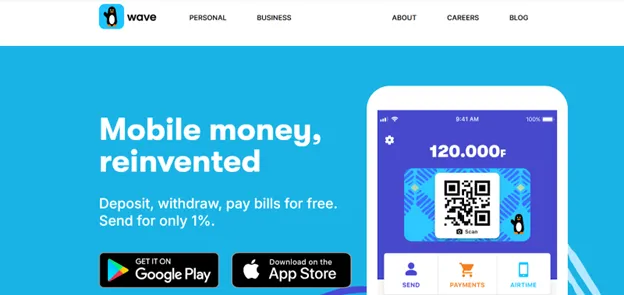
According to Forbes Advisor, Wave is a great way to scan your accounting, invoicing, and receipts without a monthly fee. It supports payroll & credit card processes in the paid plan. You can keep running your business more efficiently via Wave.
Key Features
- Offers free accounting & invoicing
- Prepare tax documents and file before the deadline
- Create unlimited bookkeeping records
- Organise income, expenses, payments, and invoices.
- Switch from other accounting apps or products easily.
Pros | Cons |
● Forever free starter plan | ● Limited advanced features like time tracking and inventory management |
● Easy-to-use dashboard | ● Limited support for payroll and payment processes |
● Easy accessible via mobile app |
|

Zoho Books comes with the Zoho ecosystem. It offers several tax compliance features like automatic calculations, payments, sales tax, and 1099 reporting. You can count from project to invoice to payment at 100% free.
Key Features
- Track all your payments seamlessly.
- Get Multi-currency support
- Compare trends across multiple platforms and time.
- Create purchase orders in minutes
- Set budgets & assign tasks of multiple projects
Pros | Cons |
|
|
|
|
|
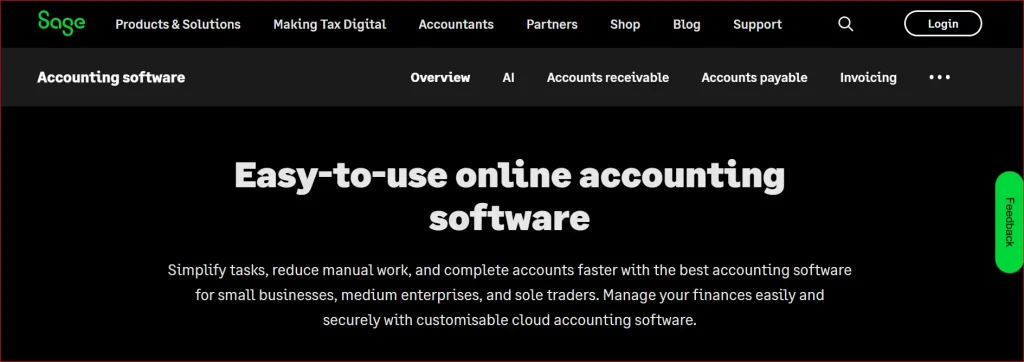
Sage Copilot is a built-in admin cloud-based assistant that saves you 5 hours each week. If a payment is due, it will send you an automatic reminder. Also, it gives your customers flexible payment options.
Key Features
- Manage your income and expenses.
- Track your payments with AI
- Get an accurate view of stock levels
- Get organised with automated records
Pros | Cons |
|
|
|
|
|
Is Free Bookkeeping Software Enough, or Should You Upgrade to A Paid Plan?
Choosing the right bookkeeping software for small businesses is challenging. Because there are wide variety of small business bookkeeping software with a free version available in the market. But the question arises, is free software enough, or is it more profitable to go for a paid plan?
In this case, you need to consider some important factors. These are-
Benefits of Free Bookkeeping Software
Free platforms are effective for new or very small businesses. When you do simple bookkeeping tasks and do not need advanced-level characteristics. In this situation, free software is sufficient, including:
- Simple bookkeeping of expenses and income
- Bank transaction tracking
- Simple invoicing
- Starting as a new self-employed or freelancer
These can be covered in most cases by basic bookkeeping software or simple bookkeeping software for small businesses.
You can even use a good bookkeeping software for a small business, a free download version if you wish.
Limitations of Free Software
As your business starts to grow, free software can be plagued with several limitations:
- Lack of detailed reporting
- Limitations in tax management
- No multi-user support
- Difficult to collaborate with accountants
- Not inventory or project tracking
These clearly show that simple bookkeeping software is not sufficient in all situations in the long run.
When Should You Upgrade to Paid Software?
When your SME needs to do advanced bookkeeping and complex tasks, the paid plan is your ultimate solution. For example:
If you need advanced reporting and financial analysis:
QuickBooks bookkeeping software or Xero software for small businesses offers advanced reporting and tax support.
You have multiple users or a busy bookkeeping workflow:
Zoho is the best small business bookkeeping program or best bookkeeping software for small businesses; it is excellent for teamwork.
If you need HMRC or tax compliance:
Paid plans can usually handle real-time bookkeeping needs, including Making Tax Digital (MTD), self-assessment returns, and bank reconciliations.
When you need inventory, projects, or time tracking:
Free software doesn’t have these. In this case, the paid version of small business accounting software or software for small businesses is the way to go.
Why is it worth investing in paid software?
Free software like Wave is good for starting a micro business. It is crucial for a start-up, small or very simple business.
But in the long run, the paid plans are best. Because,
- You can collaborate with accountants and bookkeepers easily
- It reduces errors, saving time and costs
- Scalable as business grows
- Security and data protection are strong
Though many still use only bookkeepers, modern paid cloud-based software offers unparalleled benefits.
A business is growing quickly, has regular transactions, and needs tax filing; reporting for decision-making. Upgrading to paid software is the right decision for your small business.
It will make your financial transactions safe and fast. You can operate your business more accurately.
How TAJ Accountants Help You Pick and Set Up the Best Bookkeeping Software?
At TAJ Accountants, we don’t just recommend software; we professionally manage the entire software setup process, considering the nature of your business, types of work, and future growth.
Our steps generally go like this:
Analyse your business needs:
At TAJ, we evaluate the transaction volume, VAT, payroll, reporting, and self-employed status to determine which good bookkeeping software for small businesses is right for you.
Select the right software:
We compare the features of Xero bookkeeping software, QuickBooks software for small businesses, and other simple bookkeeping software for small businesses. And we recommend the best option based on the real needs of your small business.
Select the right plan:
Our experts provide clear instructions on whether the software will operate on a free plan or require a paid plan, depending on your reporting and tax compliance and scalability.
Setup and Configuration:
Chart of Accounts, bank feed, VAT settings, products or services, clients – we set everything up correctly according to your business structure. This ensures your SME is handled perfectly from the start.
Data Migration:
We transfer data from previous spreadsheets or older software safely and accurately, so that there is no duplication or error.
Training and Ongoing Support:
TAJ Accountants provides training so that you can use the software with confidence. Also, we provide support in case of any future problems.
If you have any doubts about which bookkeeping software is best for your small business, book a free consultation with TAJ Accountants.
Conclusion
Choosing the right bookkeeping software for a small business reduces business time, costs, and risks, all of which are important for effective financial management. There are a variety of small business accounting software on the market today, such as QuickBooks, Xero, FreeAgent, and Zoho Books, that offer different benefits for different business structures. Startups and self-employed entrepreneurs can start with free bookkeeping software. Cloud bookkeeping tools with advanced features are more effective for growing SMEs.
At TAJ Accountants, we provide simple bookkeeping software solutions based on your business’s transaction types, VAT/Tax needs, reporting needs, and future scaling. In the long run, the right software means accurate accounting, faster workflow, and better business decision-making.
Frequently Asked Questions
Free software can run at the start-up stage, but as your business grows, paid software is more effective for reporting, tax compliance and automation.